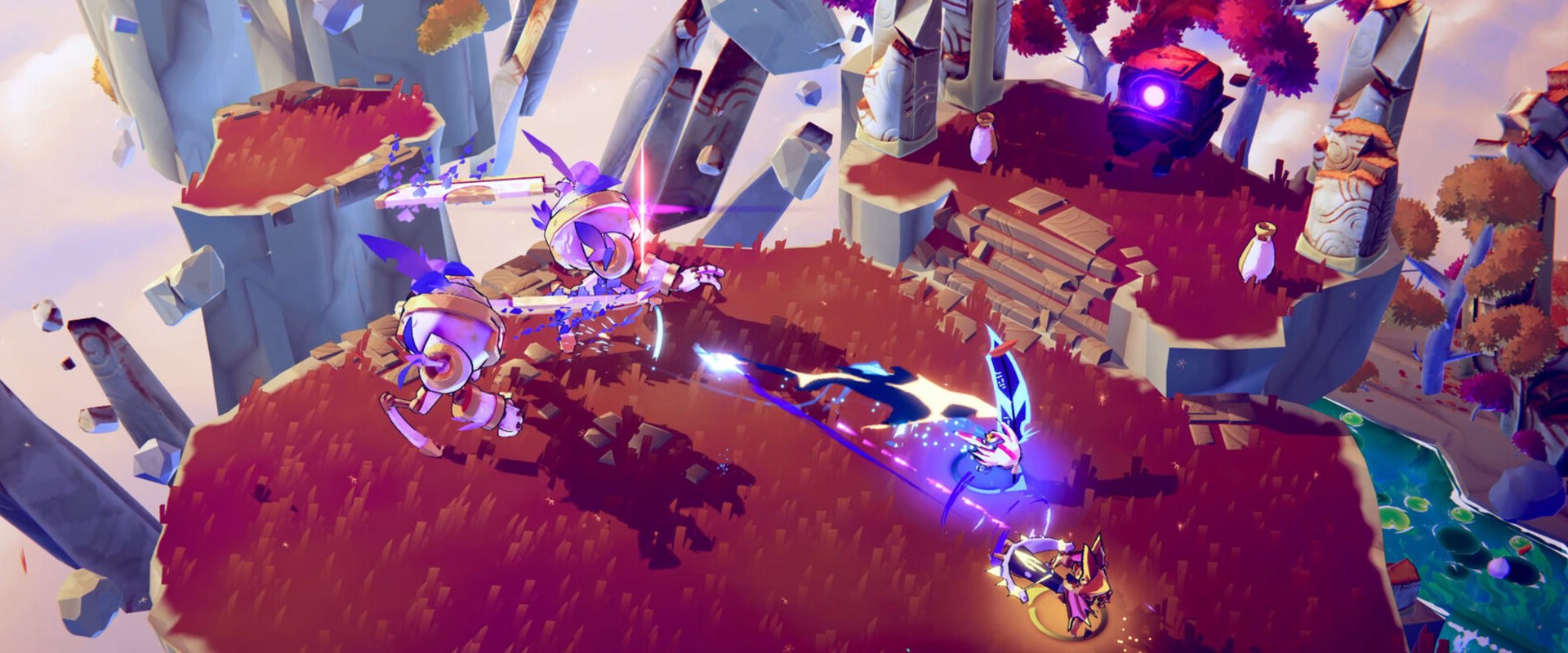
In the ever-evolving landscape of video games, indie gamesindie games have emerged as a vibrant force, breaking free from the constraints of traditional development and mainstream expectations. These independent titles, often crafted by small teams or even solo developers, are not just games; they are bold explorations that challenge our perceptions of what gameplay can be. From narrative experimentation to innovative mechanics, indie games are redefining the very essence of interactive entertainment. As we delve into the world of indie gaming, it's essential to recognize how these creative endeavors push boundaries and inspire both players and developers alike. With their unique approaches, indie games encourage risk-taking and artistic expression, offering experiences that are often more personal and meaningful than those found in mainstream titles.
Whether it's through unconventional storytelling methods, groundbreaking visual styles, or entirely new gameplay mechanics, the impact of indie games on the gaming industry is profound. This article will explore the role of indie games in pushing the boundaries of gameplay, illustrating how they serve as a catalyst for innovation and creativity. As we embark on this journey, we will highlight some standout examples that exemplify this spirit of experimentation, showcasing how indie developers have reshaped our understanding of what games can be. Join us as we celebrate the indomitable spirit of indie gaming and its relentless pursuit of pushing the envelope.
Indie games
have emerged as a transformative force in the gaming industry, challenging the conventional boundaries of gameplay mechanics and storytelling methods. Unlike traditional titles developed by major studios, indie games often prioritize innovation and creativity over profit margins.This freedom allows independent developers to experiment with new ideas, leading to unique gameplay experiences that resonate deeply with players. For instance, Undertale revolutionized the role-playing game (RPG) genre with its unconventional combat system, allowing players to choose between fighting and sparing enemies, which added layers of emotional engagement and moral choice. This game not only challenged traditional gameplay mechanics but also introduced a narrative style that was both humorous and touching, redefining how stories can be told in video games. Another exemplary title is Celeste, which took platforming to new heights by incorporating themes of mental health into its narrative. The game’s mechanics are intricately tied to its story, offering players a challenging yet rewarding experience that mirrors the protagonist's struggles with anxiety and self-acceptance.
The innovative gameplay mechanics in Celeste encourage players to confront their challenges, making each level not just a test of skill but also a journey of personal growth. The success of these indie games illustrates how they often prioritize player experience over financial gain, resulting in fresh perspectives and unique mechanics that are sometimes absent in larger titles. This player-centric approach allows developers to create engaging narratives and innovative gameplay elements that resonate with diverse audiences. The rise of free indie games has further expanded access to these experiences, catering to players seeking cost-effective entertainment without compromising quality. Across various platforms, including PC, consoles, and mobile devices, there is a rich variety of free indie games available that appeal to different gaming preferences. Many of these titles feature multiplayer options, fostering community engagement and collaboration among players.
Games like Among Us exemplify how indie developers can create social experiences that bring people together, emphasizing the importance of community in the gaming landscape. The role of online platforms such as itch.io and Steam has been pivotal in promoting indie games. These platforms offer a space for independent developers to showcase their work without the constraints imposed by traditional publishing models. Additionally, user-generated content and modding communities thrive within these ecosystems, enhancing gameplay experiences and allowing players to contribute creatively to their favorite titles. However, it is essential to acknowledge potential criticisms of indie games. Limited resources compared to AAA titles can sometimes lead to shortcomings in graphics or production values.
Nevertheless, what indie developers lack in budget, they often make up for with passion and creativity. This drive can lead to groundbreaking innovations that challenge industry norms and inspire future generations of game designers. In conclusion, the impact of indie games on the gaming industry cannot be overstated. They challenge traditional gameplay mechanics and storytelling methods, prioritizing player experience while fostering innovation and creativity. As more players seek out free gaming experiences, the importance of indie games will only continue to grow, further pushing the boundaries of what video games can achieve.
The Free Games Landscape
The landscape of free indie games has flourished in recent years, offering players a diverse range of experiences without the financial burden typically associated with gaming.Indie games, developed by small teams or individuals, have gained significant traction across various platforms, including PC, consoles, and mobile devices. This accessibility is a cornerstone of their appeal, allowing a broader audience to engage with innovative gameplay. Platforms such as Steam, itch.io, and the Epic Games Store regularly feature free indie games, providing developers with a stage to showcase their creativity. These platforms often host seasonal events or promotional offers that highlight new titles, ensuring players have a steady stream of options to explore. This abundance not only benefits gamers but also creates opportunities for indie developers to reach potential fans without the constraints of traditional pricing models. The appeal of these free games lies in their ability to push the boundaries of gameplay. , providing developers with a stage to showcase their creativity. These platforms often host seasonal events or promotional offers that highlight new titles, ensuring players have a steady stream of options to explore. This abundance not only benefits gamers but also creates opportunities for indie developers to reach potential fans without the constraints of traditional pricing models. The appeal of these free games lies in their ability to push the boundaries of gameplay.
Many free indie games experiment with unconventional mechanics, narrative styles, and artistic expressions, resulting in unique gaming experiences that differ from mainstream offerings. This freedom allows developers to take risks that larger studios may shy away from, fostering an environment where innovation thrives. As players continue to seek cost-effective entertainment options, the popularity of free indie games is likely to grow. The rise of this sector not only enriches the gaming community but also encourages a culture of sharing and collaboration among creators. Ultimately, the availability of free indie games is reshaping the gaming landscape, proving that exceptional gameplay doesn’t have to come with a price tag.
Storytelling Beyond Tradition
Indie games have emerged as a platform for innovative storytelling, often diverging from the conventional narratives found in mainstream titles.Unlike AAA games that typically follow tried-and-true formulas, indie developers frequently experiment with narrative structures, allowing for a more personal and unique storytelling experience. Many indie games utilize non-linear narratives, where players can influence the direction of the story through their choices. This interactivity adds depth to the gameplay, making players feel more connected to the characters and plot. For example, games like Life is Strange and Oxenfree highlight how player decisions can significantly alter the outcome of the story, creating a sense of ownership over the narrative. Additionally, indie developers often explore themes and topics that are less common in mainstream gaming. Games like Celeste, which tackles mental health and personal struggle, showcase how indie titles can address serious issues while maintaining engaging gameplay.
This willingness to tackle challenging subjects allows for a more diverse range of stories that resonate with players on a deeper level. The visual storytelling in indie games also sets them apart. Many indie developers use unique art styles and creative visuals to enhance their narratives. Titles like Gris and Journey demonstrate how artistic expression can be intertwined with gameplay to convey emotions and themes without relying heavily on dialogue or traditional storytelling methods. In conclusion, the storytelling techniques employed by indie games challenge the norms established by mainstream titles. By prioritizing player choice, exploring unconventional themes, and utilizing artistic expression, these games redefine what it means to tell a story in the gaming medium.
Innovative Gameplay Mechanics
Indie games have emerged as a formidable force in the gaming industry, often serving as a breeding ground for innovative ideas that challenge conventional gaming norms.Unlike their mainstream counterparts, indie developers are typically not bound by corporate interests or established franchises, allowing them the freedom to experiment with gameplay mechanics that push boundaries. One of the most notable aspects of indie games is their ability to introduce new mechanics that can completely redefine player experiences. For instance, titles like Journey and Inside utilize minimalistic controls and unique storytelling methods that engage players in ways traditional games often do not. These games emphasize emotional experiences, where the mechanics are intertwined with the narrative, creating a profound impact on players. Another example is Celeste, which incorporates a unique climbing mechanic that challenges players' reflexes and timing, while also addressing themes of mental health and perseverance. Such innovations demonstrate how indie developers are not afraid to take risks and explore complex subjects through gameplay. The rise of free indie games further amplifies this trend.
Many of these titles offer innovative mechanics without the barrier of entry that comes with traditional pricing models. Games like Doki Doki Literature Club! and Super Meat Boy provide exceptional gameplay experiences while remaining accessible, allowing a broader audience to experience their innovative designs. Ultimately, indie games play a crucial role in pushing the boundaries of gameplay mechanics. Their willingness to explore uncharted territory not only enriches the gaming landscape but also inspires larger developers to rethink their own approaches to game design. As more players gravitate towards these unique experiences, the influence of indie games will continue to grow, paving the way for future innovations in the industry.
Community and Multiplayer Dynamics
Indie games have uniquely positioned themselves as a catalyst for community building, often placing a significant emphasis on multiplayer options that enhance player engagement.Unlike many mainstream titles that focus on competition, many indie games foster collaboration and creativity among players, inviting them to connect in meaningful ways. These games often incorporate community-driven features, such as user-generated content, which allows players to contribute their own ideas and creativity. This not only enriches the game experience but also strengthens the bond between players, creating a sense of shared ownership. For instance, games like Among Us and Stardew Valley have built thriving communities where players collaborate, strategize, and share experiences, reinforcing the social aspect of gaming. The rise of free indie games has further democratized access to these multiplayer experiences. Players can engage with friends or join larger communities without the barrier of entry often associated with more expensive titles.
This accessibility encourages diverse groups of players to come together, fostering inclusivity and a welcoming atmosphere. Furthermore, indie developers often actively engage with their communities through forums, social media, and live streams. This direct communication helps in cultivating a loyal fan base and allows developers to receive valuable feedback, which in turn informs future updates and game designs. Such engagement not only enhances the gaming experience but also strengthens community ties. Ultimately, the multiplayer dynamics found in indie games serve as a testament to their ability to redefine social interactions within the gaming landscape. By prioritizing community over competition and facilitating diverse player interactions, indie games are not just pushing boundaries of gameplay; they are also creating vibrant ecosystems where players can connect and share their love for gaming.
Artistic Expression through Games
Indie games have emerged as a powerful medium for artistic expression, showcasing a diverse range of visual styles that push the boundaries of traditional gameplay.Unlike mainstream titles that often adhere to established aesthetics, indie developers frequently experiment with unique art directions, resulting in visually stunning and thought-provoking experiences. Many indie games utilize pixel art, a nostalgic style that harkens back to the early days of gaming. This minimalist approach not only evokes a sense of nostalgia but also allows for creative freedom in character and environment design. Games like Celeste and Hyper Light Drifter demonstrate how pixel art can convey deep emotional narratives and immersive worlds. On the other hand, some developers opt for hand-drawn or painted art styles, bringing a more personal touch to their creations. Titles such as Gris and Spiritfarer showcase stunning visuals that resemble moving paintings, enhancing the emotional weight of their stories.
These artistic choices not only enhance gameplay but also invite players to engage with the game on a deeper level. Furthermore, indie games often explore abstract or surreal visuals that challenge players' perceptions and expectations. Games like Journey and The Witness utilize color, form, and spatial design to create environments that are as much about exploration and discovery as they are about gameplay mechanics. This innovative use of art pushes players to interpret their surroundings in unique ways. In addition to visual styles, the integration of music and sound design in indie games further enhances their artistic expression. Soundtracks in games like Undertale and Oxenfree not only complement the visuals but also deepen the emotional impact of the narrative, demonstrating how audio-visual synergy can elevate a gaming experience. The rise of free indie games has made these artistic experiences more accessible to a wider audience.
By removing financial barriers, developers encourage players to explore innovative designs and storytelling techniques without the risk of financial loss. This democratization of creativity fosters an environment where new ideas can flourish, pushing the limits of what games can achieve as an art form. In conclusion, indie games serve as a canvas for diverse artistic expression, breaking away from conventional visual norms. As they continue to evolve, these games not only redefine gameplay boundaries but also challenge our understanding of what video games can be as a medium for art. In conclusion, indie games have significantly transformed the gaming landscape, serving as a breeding ground for innovation and creativity. By challenging conventional norms with innovative gameplay mechanics, pushing the boundaries of storytelling, and embracing artistic expression, these games offer players unique experiences that are often not found in mainstream titles.
Furthermore, the emergence of the free games landscape has democratized access to gaming, allowing more players to engage with compelling content without financial barriers. This accessibility fosters a vibrant community where players can connect and share their experiences, enhancing the overall multiplayer dynamics. As we celebrate the contributions of indie developers, we encourage readers to delve into the world of free indie games. Explore various platforms that host these gems and discover the myriad of titles that push the limits of what games can be. Whether you are seeking new gameplay experiences or simply want to enjoy artful narratives, there’s an indie game out there for everyone.