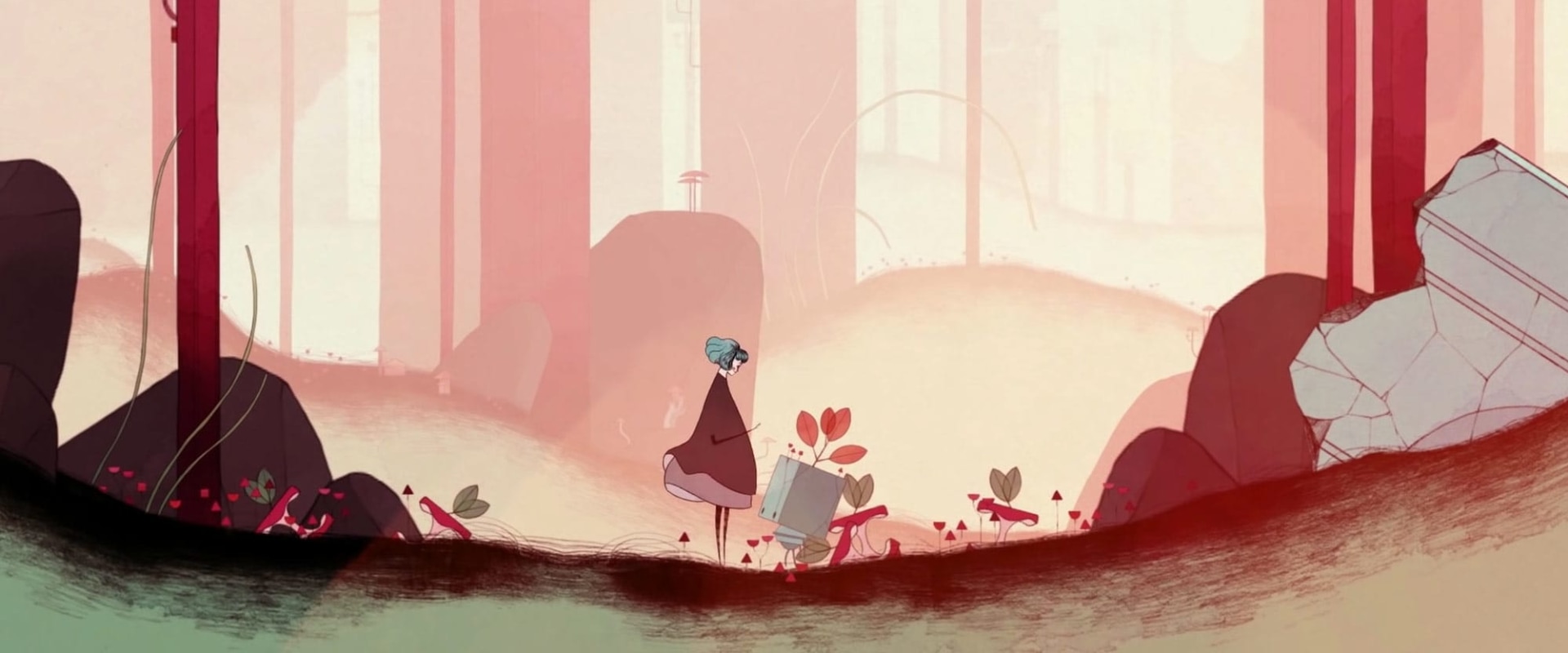
In the vast world of video games, storytelling is a critical component that can elevate a player's experience from mere entertainment to an emotional journey. While mainstream titles often rely on high budgets and established formulas, indie developers have carved out a niche that allows for innovative and unique storytelling approaches.
Exploring Unique Storytelling in Indie Games
delves into how these creators harness their artistic freedom to craft narratives that resonate deeply with players. Unlike their AAA counterparts, indie developers often prioritize personal expression and experimental gameplay mechanics over profit margins. This results in narratives that are not only diverse but also reflective of the developers' own experiences and perspectives.By embracing unconventional themes and storytelling methods, indie games invite players to engage with stories in fresh and meaningful ways. From emotional tales of loss to whimsical adventures filled with unexpected twists, the storytelling landscape in indie games is as varied as the developers themselves. As we embark on this exploration of how indie developers tell stories differently, we will uncover the elements that make these narratives stand out, drawing players into worlds where creativity knows no bounds. Join us as we celebrate the artistry of indie games and discover what makes their stories so compelling. In the realm of gaming, storytelling serves as a powerful tool that transcends mere entertainment, inviting players into immersive worlds filled with emotion and complexity. Indie developers have carved out a unique niche in this space, employing a variety of storytelling techniques that set them apart from mainstream titles.
One of the hallmark methods used by these developers is the implementation of non-linear narratives. Unlike traditional games that often adhere to a linear progression, many indie titles allow players to explore stories in a more fluid manner, resulting in personalized experiences that resonate deeply with individual players. For instance, in the critically acclaimed game Journey, players traverse a vast desert landscape, encountering other players along the way without any spoken dialogue or overt narrative exposition. The story unfolds through exploration and environmental cues, allowing players to interpret the experience in their own way. This approach fosters an emotional connection that is both unique and profound, as each player's journey becomes an intimate reflection of their own feelings and thoughts. Another noteworthy example is Celeste, which not only presents a challenging platforming experience but also delves into themes of mental health and personal struggle.
The game’s protagonist, Madeline, faces her inner demons as she climbs the titular mountain. The narrative is woven intricately into the gameplay mechanics, creating a seamless blend of story and action that emphasizes emotional depth. This focus on personal experiences allows indie games to tackle social issues in ways that mainstream titles often shy away from, making them relatable and impactful. The appeal of free indie games further enhances their storytelling potential. Many of these titles prioritize narrative over profit, allowing developers to take creative risks that larger studios may avoid due to commercial pressures. in ways that mainstream titles often shy away from, making them relatable and impactful. The appeal of free indie games further enhances their storytelling potential. Many of these titles prioritize narrative over profit, allowing developers to take creative risks that larger studios may avoid due to commercial pressures.
As a result, indie games often serve as platforms for exploring unique character development, where characters are crafted with intricate backstories and motivations that resonate with players on a personal level. Games like To the Moon are prime examples of this approach, where the narrative is built around the memories and experiences of its characters, evoking powerful emotions in those who engage with it. The impact of player choice in shaping narratives is another critical aspect where indie games often shine. In many indie titles, players are afforded greater agency in how they interact with the story. This can lead to branching paths that result in multiple endings or different outcomes based on player decisions.
For example, in Oxenfree, choices made by players influence relationships between characters and ultimately affect the game's conclusion. This level of interactivity fosters a deeper connection between players and the narrative, allowing for a more personalized experience compared to many larger titles where player choices may feel limited or inconsequential. However, indie storytelling is not without its criticisms. Some argue that pacing can be inconsistent or that production quality may not match that of mainstream counterparts. While it’s true that some indie games face challenges in these areas, numerous examples showcase how creativity can triumph over limitations.
Take Undertale, for instance; its quirky humor and innovative mechanics more than compensate for its modest visuals. The game’s pacing is masterfully crafted, keeping players engaged while delivering an unforgettable story filled with moral dilemmas and unexpected twists. Moreover, games like Spiritfarer combine beautiful art with poignant storytelling about death and acceptance, demonstrating how indie developers can deliver high-quality narratives without the extensive resources typical of larger studios. This innovative spirit is what allows indie games to explore themes and narratives that are often overlooked in mainstream gaming. In conclusion, the storytelling techniques employed by indie developers showcase a distinct approach to narrative-driven experiences. Through non-linear narratives, emotional depth, and unique character development, these games create engaging worlds that resonate with players on multiple levels.
As they continue to tackle personal experiences and social issues while allowing for impactful player choices, indie games solidify their place as vital contributors to the landscape of interactive storytelling.
Player Agency in Storytelling
Player agency is a cornerstone of storytelling in indie games, setting them apart from mainstream titles. In many blockbuster games, narratives are often linear and predetermined, providing players with a specific experience that follows a set path. However, indie developers frequently embrace the idea of allowing players to influence the direction and outcome of the story through their choices. This level of interactivity creates a more personalized narrative experience. Players are not merely passive observers; they become integral to the storytelling process.In games like Undertale or Life is Strange, every decision can lead to vastly different outcomes, encouraging players to reflect on their choices and their consequences. The significance of player choices extends beyond just different endings; it shapes character development and emotional engagement. Indie games often feature complex characters whose arcs are deeply affected by the player's decisions, fostering a sense of investment in the narrative. For instance, in Oxenfree, the relationships between characters evolve based on the player's dialogue choices, making each playthrough unique. Moreover, many indie titles utilize a branching narrative structure that allows for multiple paths within the same story. This design choice not only enhances replayability but also encourages players to explore alternative scenarios, further deepening their connection to the game world. Ultimately, the emphasis on player agency in indie games reflects a broader trend towards interactive storytelling that prioritizes player involvement and emotional resonance.
By allowing players to shape their own narratives, indie developers create experiences that are not only entertaining but also profoundly personal.
Emotional Resonance and Themes
Indie games have carved a niche for themselves in the gaming industry by exploring emotional resonance and themes that often go unaddressed in mainstream titles. These games frequently delve into personal narratives, allowing players to experience stories that reflect the complexities of human emotions and relationships. Common themes found in indie games include identity, loss, and mental health. Many developers use their platforms to tackle these subjects, creating a deeper connection with players who may see their own experiences reflected in the narratives. For instance, games like Celeste address mental health struggles through gameplay mechanics and storytelling, inviting players to confront their own challenges while navigating the game’s world. Another prevalent theme is community.Indie developers often focus on the importance of connections between characters, highlighting how relationships can shape our experiences. Titles like Night in the Woods explore the dynamics of friendship and community in the face of adversity, resonating deeply with players who value interpersonal connections. The approach to storytelling in indie games allows for a more intimate exploration of these themes. Developers prioritize narrative over graphics, crafting stories that engage players on a personal level. This distinct focus on storytelling not only differentiates indie games from their mainstream counterparts but also fosters a unique bond between the game and its audience. Overall, the emotional depth found in indie games makes them not only entertaining but also meaningful experiences that resonate with players long after they’ve put down the controller.
Comparing Indie and Mainstream Narratives
Indie games and mainstream titles often adopt vastly different approaches to storytelling, reflecting their unique development environments and target audiences.While mainstream games tend to rely on established formulas and blockbuster narratives, indie developers frequently explore unconventional themes and innovative storytelling techniques. One key distinction lies in the scope of narratives. Mainstream titles often feature grand, sprawling plots with high production values, supported by extensive budgets that allow for elaborate cutscenes and voice acting. In contrast, indie games may focus on more intimate, personal stories that delve deep into characters' emotions and experiences, often utilizing minimalistic graphics and simple mechanics to convey their messages. Furthermore, the freedom of creativity in indie development allows for experimentation with narrative structures. Many indie games break traditional storytelling molds by employing non-linear narratives, player-driven choices, or even abstract storytelling techniques that challenge players' perceptions.
This contrasts sharply with mainstream titles, which often adhere to linear storytelling that follows a clear path from beginning to end. Another significant difference is the themes explored. Indie developers are more inclined to tackle niche topics, social issues, or personal stories that resonate with smaller audiences. This can lead to deeply impactful experiences that might not find a place in the commercialized world of mainstream gaming. On the other hand, mainstream games typically prioritize broad appeal, often opting for familiar tropes and themes that can attract a wide range of players. In summary, while both indie and mainstream games contribute valuable narratives to the gaming landscape, they do so in markedly different ways.
The risk-taking and artistic freedom of indie developers allow them to craft unique storytelling experiences that stand apart from the polished yet formulaic narratives of larger titles.
Case Studies of Successful Indie Games
Indie games often push the boundaries of storytelling in ways that mainstream titles may not, largely due to their smaller budgets and teams. Here are some notable examples that showcase how indie developers tell stories differently:To the Moon is a poignant adventure game that explores themes of love and memory. Through its unique narrative structure, players follow two doctors as they travel through the memories of a dying man to fulfill his last wish. The game’s emotional depth is enhanced by its minimalistic graphics and a beautifully composed soundtrack, demonstrating how storytelling can be both impactful and accessible.Journey
, developed by Thatgamecompany, offers a different kind of narrative experience.It emphasizes non-verbal communication and shared experiences between players. As you traverse a vast desert towards a distant mountain, the game encourages exploration and connection with others without traditional dialogue. This innovative approach to storytelling highlights the beauty of silent interactions and the emotional resonance that can arise from them.
Celeste
, while primarily a platformer, weaves in a compelling narrative about mental health and personal struggle. The protagonist, Madeline, embarks on a journey to climb Celeste Mountain, symbolizing her fight against anxiety and self-doubt.The game employs pixel art and retro aesthetics, yet delivers a profound message about perseverance and self-acceptance through its dialogue and character interactions.
Oxenfree
stands out for its dynamic dialogue system that allows players to shape conversations in real time. This feature creates a sense of authenticity in character relationships and enhances the storytelling experience. The game follows a group of friends who accidentally open a ghostly rift, blending supernatural elements with realistic teenage issues. Its unique narrative style captivates players by making them active participants in the unfolding story. These case studies exemplify how indie games utilize innovative storytelling methods to create engaging experiences that resonate with players on multiple levels.By focusing on emotional depth, player interaction, and thematic exploration, indie developers craft narratives that often challenge conventional gaming norms.
Innovative Narrative Techniques
Indie games have carved out a niche in the gaming world by employing innovative narrative techniques that often diverge from traditional storytelling methods found in mainstream titles. These developers frequently leverage their creative freedom to explore unique structures and themes, allowing them to craft stories that resonate on a personal level with players. One common approach among indie developers is the use of non-linear narratives. Unlike mainstream games that typically follow a linear progression, many indie titles invite players to make choices that affect the story's outcome. This interactive storytelling fosters a deeper connection between the player and the narrative, as each decision can lead to vastly different experiences.Games like Life is Strange exemplify this technique, allowing players to rewind time and alter past decisions, thereby exploring various narrative paths. Another distinctive characteristic of indie storytelling is the emphasis on emotional depth. Many indie games focus on themes that explore the human condition, such as love, loss, and identity. Titles like Celeste address mental health issues through their narratives, creating an intimate dialogue between the player and the protagonist. This emotional engagement is often absent in larger productions, where commercial pressures can limit thematic exploration. Furthermore, indie developers frequently utilize experimental storytelling formats.
For instance, some games incorporate visual novels or text-based formats that prioritize narrative over gameplay mechanics. Others may blend genres, as seen in Oxenfree, which combines supernatural elements with coming-of-age themes, resulting in a rich tapestry of storytelling that challenges conventional genre boundaries. The artistic style of indie games also plays a crucial role in their storytelling. Developers often choose unique art styles and soundtracks that complement their narratives, enhancing the overall experience. For example, the use of pixel art in Undertale not only evokes nostalgia but also aligns perfectly with its quirky yet profound storytelling. In summary, the innovative narrative techniques employed by indie developers allow for a diverse array of storytelling possibilities.
By embracing non-linear structures, exploring emotional depth, experimenting with formats, and leveraging artistic styles, these games tell stories that are not only engaging but also deeply meaningful to players. In conclusion, indie developers have carved out a unique niche in the gaming landscape by embracing innovative storytelling techniques that set their narratives apart from mainstream titles. Through their creative freedom, they explore themes of emotional resonance and player agency, allowing gamers to connect with stories on a deeper level. The case studies of successful indie games illustrate how these unique narratives not only engage players but also challenge traditional storytelling conventions. As we have seen, the allure of free indie games lies in their ability to offer fresh perspectives and experimental narratives that often go unnoticed in larger productions. By stepping outside the confines of conventional gameplay and storytelling, indie developers invite players to immerse themselves in rich, varied worlds filled with meaning and exploration. We encourage readers to seek out and experience these storytelling innovations firsthand.
Exploring the realm of free indie games can open your eyes to new ways of narrative expression and showcase the immense talent within the indie community.